Introduction
In today’s rapidly evolving global marketplace, the cold chain plays a crucial role in delivering perishable goods—such as food, pharmaceuticals, and biological materials—safely and efficiently. However, this vital system comes with a heavy environmental cost. Energy-intensive refrigeration systems, greenhouse gas emissions, and reliance on harmful refrigerants have made cold chain logistics a significant contributor to climate change.
As the world grapples with the environmental consequences of industrialization, the need to build a sustainable cold chain has never been more urgent. Achieving this requires a delicate balance between maintaining operational efficiency and minimizing ecological impact. In this article, we explore the environmental challenges posed by traditional cold chains and present smart, innovative solutions for creating a greener, more resilient system.
The Environmental Footprint of Cold Chain Logistics
The cold chain is energy-hungry by design. Maintaining specific temperature ranges throughout the supply chain requires refrigeration at every step—warehousing, transportation, and retail. The sector’s primary environmental concerns include:
1. High Energy Consumption
Refrigeration units, cold storage warehouses, and refrigerated trucks run continuously, consuming vast amounts of electricity and diesel. In many regions, this energy is generated from non-renewable sources, increasing carbon emissions.
2. Refrigerant Emissions
Traditional cold chain systems use hydrofluorocarbons (HFCs) as refrigerants. Though efficient, HFCs are potent greenhouse gases—some with global warming potentials (GWPs) thousands of times higher than CO₂.
3. Food Waste
Cold chain inefficiencies often lead to spoilage, contributing to global food waste. The United Nations estimates that one-third of all food produced is wasted, much of it due to inadequate cold storage and transportation infrastructure.
4. Packaging Waste
Cold chain logistics heavily depend on disposable insulation materials like polystyrene, single-use plastics, and dry ice, which often end up in landfills.
Why Sustainability in the Cold Chain Matters
Beyond environmental responsibility, sustainability offers tangible business advantages:
- Cost Savings: Energy-efficient systems reduce utility bills and fuel costs.
- Regulatory Compliance: Governments are tightening environmental regulations, including phasing out high-GWP refrigerants.
- Brand Image: Eco-conscious operations enhance brand reputation and customer loyalty.
- Long-Term Resilience: Sustainable practices reduce dependency on volatile fossil fuel markets and future-proof businesses.
By embedding sustainability into the cold chain, companies can meet both climate goals and operational objectives.
Strategies for Building a Sustainable Cold Chain
1. Energy-Efficient Refrigeration Technology
Modern refrigeration systems offer significantly higher energy efficiency than their predecessors. Key innovations include:
- Variable-speed compressors: Reduce energy use by adjusting motor speed to cooling demand.
- LED lighting and better insulation: Reduce heat load inside cold storage facilities.
- Inverter-based systems: Allow for precise temperature control with minimal energy waste.
Energy-efficient equipment may cost more upfront, but the long-term savings from reduced energy bills and maintenance justify the investment.
2. Transition to Natural Refrigerants
Replacing HFCs with natural refrigerants like ammonia (NH₃), carbon dioxide (CO₂), or hydrocarbons (propane, isobutane) can drastically reduce environmental impact. These alternatives have low or zero GWP and are increasingly being adopted across the globe.
For instance:
- CO₂-based systems are ideal for supermarkets and cold storage warehouses.
- Ammonia is highly energy-efficient for industrial-scale refrigeration but requires careful handling due to toxicity.
Governments and international bodies like the Kigali Amendment to the Montreal Protocol are encouraging this transition through regulations and incentives.
3. Integration of Renewable Energy
Cold chain facilities can reduce their carbon footprint by tapping into renewable energy sources:
- Solar power: Rooftop solar panels on warehouses and distribution centers can offset energy consumption, especially in sunny regions.
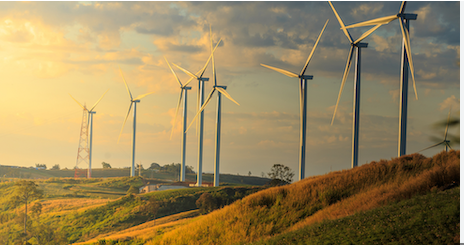
- Wind energy: Industrial parks and large-scale facilities in suitable locations can harness wind power.
- Hybrid energy models: Combine grid power, solar, and battery storage to ensure reliability while reducing emissions.
Some companies are also using thermal energy storage systems to store cooling capacity during off-peak hours and use it during peak times, optimizing both costs and emissions.
4. Greener Cold Chain Transport
Refrigerated transportation accounts for a significant portion of cold chain emissions. Sustainable innovations include:
- Electric refrigerated trucks and vans: These reduce diesel consumption and emissions, especially for last-mile delivery.
- Solar-assisted reefers: Incorporate solar panels on trailer roofs to power refrigeration units.
- Hydrogen fuel cell vehicles: Emerging as a clean option for long-haul cold chain transport.
- Route optimization software: Reduces unnecessary mileage and idling, lowering fuel consumption and emissions.
Fleet electrification, when combined with renewable energy charging infrastructure, offers immense potential for carbon reduction.
5. Sustainable Packaging Solutions
Eco-friendly packaging alternatives can reduce both plastic use and thermal waste:
- Phase Change Materials (PCMs): Provide better temperature control over longer periods, reducing the need for active refrigeration.
- Reusable containers: With built-in insulation can replace disposable boxes.
- Compostable and recyclable insulation: Made from organic fibers, wool, or recycled denim.
Brands that adopt sustainable packaging often find favor with environmentally conscious consumers.
6. IoT and AI for Cold Chain Optimization
Digital tools enhance sustainability by enabling precise control and reducing resource waste:
- IoT sensors: Monitor real-time temperature, humidity, and door openings in trucks and storage units.
- AI-powered analytics: Predict maintenance needs, detect inefficiencies, and recommend energy-saving measures.
- Blockchain: Enables end-to-end traceability and accountability, reducing losses and supporting transparency.
Together, these technologies help companies reduce energy waste and respond swiftly to any deviations that may lead to product spoilage.
7. Cold Chain Mapping and Risk Assessment
Understanding where inefficiencies and risks lie is crucial to implementing targeted sustainability initiatives. Cold chain mapping helps:
- Identify temperature-sensitive touchpoints
- Pinpoint emissions hotspots
- Design better logistics routes
- Allocate renewable energy resources more effectively
Case Study: Greening the Cold Chain in the Dairy Industry
A leading dairy cooperative in India undertook a sustainability audit and found that 40% of its emissions came from diesel-run milk tankers and outdated cold rooms. In response, the company implemented the following measures:
- Replaced aging compressors with energy-efficient inverter units
- Installed solar panels at its central processing facility
- Switched to electric milk vans for last-mile delivery
- Introduced reusable, PCM-insulated containers for bulk milk transport
As a result, the company cut its energy bills by 30%, reduced carbon emissions by over 2,000 metric tons annually, and achieved ISO 14001 certification for environmental management.
Policy and Regulatory Support
Governments and international agencies are pushing for greener cold chains through:
- Tax incentives for renewable energy and energy-efficient equipment
- Subsidies for solar cold storage in rural areas
- Regulations mandating phase-out of high-GWP refrigerants
- Carbon credit markets where companies can trade emissions savings
Public-private partnerships are also promoting the deployment of sustainable cold chain infrastructure, particularly in agriculture and healthcare sectors.
Future Outlook: The Road Ahead
The push for sustainable cold chains will continue to accelerate, driven by climate goals, consumer awareness, and technological advancement. Key trends to watch include:
- Cold Chain-as-a-Service (CCaaS): Outsourcing cold logistics to specialized, green-focused providers.
- Zero-emission cold hubs: Combining renewables, thermal storage, and smart automation.
- Circular economy practices: Where reusable packaging and materials are recaptured, refurbished, and redeployed.
- Green certifications and carbon labeling: Helping consumers and buyers choose low-impact products.
Companies that invest in sustainable cold chains today will not only future-proof their operations but also position themselves as leaders in the global transition toward environmental stewardship.
Conclusion
Building a sustainable cold chain is no longer a choice—it’s a business imperative. By rethinking how we power, manage, and optimize temperature-controlled logistics, industries can reduce their environmental impact while boosting efficiency and resilience.
From natural refrigerants and solar-powered storage to AI-driven optimization and eco-friendly packaging, the solutions are within reach. The key lies in adopting a systems approach that balances operational performance with climate responsibility.
As industries and governments work together to decarbonize supply chains, the cold chain has the potential to become a symbol not of environmental burden, but of sustainable innovation.