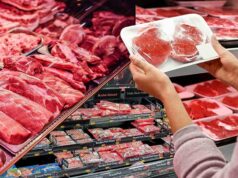
Walk into any supermarket today and you’ll notice a striking change. Alongside the fresh whole chickens and traditional cuts, there’s an ever-growing section of marinated fillets, spicy wings, grilled kebabs, nuggets, and fully cooked chicken curries—all neatly packed, attractively labeled, and ready to go.
This is the Ready-to-Cook (RTC) and Ready-to-Eat (RTE) poultry revolution—a transformation that is not only reshaping how consumers eat but also redefining how the poultry industry processes, packages, and delivers its products.
For busy urban families, students, young professionals, and even health-conscious seniors, RTC and RTE poultry products are becoming indispensable. But behind those convenient packs lies an intricate story of changing lifestyles, evolving consumer expectations, technological innovation, and market adaptation.
The Rise of Convenience: Why Consumers Want RTC & RTE Poultry
1. Time-Poor, Convenience-Hungry Lifestyles
Across the UK, India, Southeast Asia, and the Middle East, consumer lifestyles are changing rapidly. Dual-income families, hectic work schedules, and urban commutes leave little time for traditional cooking. In India, for instance, a Deloitte survey showed that 72% of millennials prefer semi-cooked or ready meals at least twice a week.
For these consumers, marinated chicken tikka, breaded fillets, or frozen nuggets save hours of preparation. Instead of handling raw meat, cleaning, cutting, and seasoning, they simply thaw, cook—or in some cases, just heat and eat.
2. Health Meets Affordability
While fast food remains popular, there’s also a growing emphasis on protein-rich, healthier meals. Poultry ticks both boxes. Compared to red meat, chicken is lower in fat, versatile, and relatively affordable.
In countries like the UK, where health awareness campaigns discourage excessive red meat consumption, RTE poultry options such as grilled chicken salads, high-protein wraps, and low-fat soups have surged.
3. Global Cuisines at Home
Ready-to-cook and ready-to-eat poultry also brings the world to the consumer’s kitchen. Whether it’s Korean BBQ wings, Mexican fajita strips, or Indian butter chicken, global flavors are now available at the supermarket, giving consumers a taste of restaurant-quality food at home.
What’s the Difference Between RTC and RTE Poultry?
Though often grouped together, RTC and RTE represent different stages of preparation:
- Ready-to-Cook (RTC): Semi-prepared products that need minimal cooking—like marinated chicken breasts, breaded drumsticks, or kebabs. Consumers just grill, fry, or bake them.
- Ready-to-Eat (RTE): Fully cooked, packaged poultry that can be eaten immediately after heating—like chicken nuggets, cooked sausages, curries, soups, or deli-style sliced chicken.
Both categories save time but offer different levels of convenience, depending on consumer preferences.
Industry Perspective: A Booming Market
The global market for RTC & RTE poultry is projected to grow at 8–10% annually in the next five years. Several factors drive this:
- Urbanization: By 2030, nearly 60% of the world’s population will live in cities.
- Rising Incomes: Middle-class consumers are willing to pay for convenience.
- Retail Expansion: Supermarkets, online platforms, and quick-commerce services are widening access.
- Cold Chain Development: Better logistics allow longer shelf life and wider distribution.
In India alone, the organized frozen food market (led by RTC poultry) has crossed ₹10,000 crore and is expected to double by 2030. In the UK, RTE poultry products account for over 40% of processed meat sales, from sandwiches to frozen meals.
How Processing & Packaging Make It Possible
The RTC & RTE poultry boom would be impossible without innovations in processing and packaging.
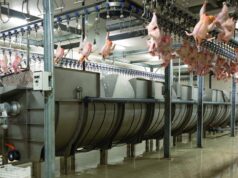
1. Processing Innovations
- Marination & Tumbling: Machines ensure even flavor distribution and moisture retention.
- Coating & Breading Systems: For nuggets, strips, and patties.
- High-Speed Cooking Lines: Roast, grill, or fry chicken in industrial quantities with consistent quality.
- Freezing Technology: Blast freezing locks in freshness while preventing bacterial growth.
2. Packaging Innovations
- Modified Atmosphere Packaging (MAP): Extends shelf life by altering oxygen, carbon dioxide, and nitrogen levels inside the pack.
- Vacuum Packaging: Prevents contamination and keeps poultry fresh.
- Resealable Packs: Designed for portion control and reduced food waste.
- Eco-Friendly Packaging: Shift from plastic trays to recyclable or compostable alternatives.
Together, these systems deliver safe, hygienic, and convenient products that consumers can trust.
The Human Side: How RTC & RTE Poultry Changes Lives
It’s not just about numbers and machines—it’s about people.
For Consumers
- Parents can serve quick, protein-rich meals without compromising on nutrition.
- Students can cook meals in dorm kitchens without handling raw meat.
- Working professionals can prepare dinner in minutes after a long day.
For Farmers & Processors
- RTC and RTE products create higher-value markets for poultry farmers. Instead of selling raw chicken at wholesale rates, integration with processing plants means better margins and more stable demand.
For Women in the Workforce
In many cultures, women bear the majority of cooking responsibilities. RTC and RTE poultry reduce their kitchen time, giving them more flexibility in balancing work, family, and personal life.
Food Safety & Trust: A Critical Factor
Consumers may be convenience-driven, but they are also safety-conscious. Poultry is highly perishable, and mishandling can cause serious foodborne illnesses. That’s why:
- Strict cold chain management is essential from farm to fork.
- Hygienic packaging reassures buyers that the product is safe.
- Clear labeling (with cooking instructions, expiry dates, and nutritional information) builds consumer trust.
In fact, many urban consumers now prefer RTC & RTE products because they trust factory-packaged meat more than wet market chicken, which may not meet hygiene standards.
Sustainability: The Next Big Question
As RTC and RTE poultry consumption rises, so does the environmental footprint of packaging and processing. Consumers, especially in Europe and the UK, demand eco-friendly solutions.
- Companies are experimenting with compostable trays, recyclable plastics, and paper-based wraps.
- Energy-efficient processing plants are cutting down on carbon emissions.
- Retailers are under pressure to reduce food waste, so portion-controlled packs are gaining traction.
Sustainability is no longer an afterthought—it is a key selling point.
Challenges That Remain
Despite the boom, the sector faces hurdles:
- Cold Chain Gaps in Developing Markets: In many Asian and African countries, inadequate refrigeration limits RTC & RTE expansion.
- Price Sensitivity: While middle-class consumers embrace convenience, low-income groups still view RTC/RTE poultry as a luxury.
- Health Concerns: Some consumers associate processed poultry with preservatives, high sodium, and reduced freshness.
- Competition from Plant-Based Alternatives: With the rise of vegan and flexitarian lifestyles, poultry processors must innovate to stay competitive.
What the Future Looks Like
The next decade will bring even more exciting changes:
- Personalized Nutrition: Apps may recommend RTC poultry products tailored to individual dietary needs.
- Smart Packaging: QR codes will offer traceability—from farm origin to cooking tips.
- Premiumization: Growth in organic, antibiotic-free, and free-range RTC poultry.
- Global Flavors: Cross-border cuisines will inspire new marinated and cooked products.
- E-commerce Growth: Quick-delivery platforms like Zomato, Swiggy, Deliveroo, and Uber Eats will expand RTC & RTE poultry’s reach.
Conclusion: A Revolution at the Dining Table
Ready-to-Cook and Ready-to-Eat poultry products are more than just a food trend—they represent a lifestyle shift, an economic opportunity, and a technological achievement.
For consumers, they bring convenience and variety. For farmers and processors, they create higher-value markets. For governments, they boost food security and economic contribution.
The story of RTC and RTE poultry is ultimately about how the food industry adapts to the fast-changing rhythms of modern life. In every marinated skewer or frozen chicken nugget lies not just a product but also a promise: that food can be safe, convenient, and delicious—without demanding hours in the kitchen.
As this sector continues to grow, it will not only shape the future of poultry but also the way we think about cooking, eating, and living.