Introduction
The World Organisation for Animal Health (WOAH) defines biosecurity as the implementation of strategies aimed at minimizing the risk of introducing and spreading disease agents. The set of actions taken by farm personnel to safeguard their farm against the entry and transmission of diseases is known as farm biosecurity. Biosecurity on a poultry farm refers to the measures taken to prevent the introduction and spread of diseases ensuring the health and well-being of the flock. These biosecurity measures are essential for ensuring the quality and productivity of poultry farming. These measures are crucial for minimizing economic losses and maintaining food safety standards.
With the rapid growth of the poultry population and industry, the incidence of poultry diseases has also significantly increased. The risk of disease outbreaks is high and can lead to substantial economic losses for the poultry sector. The introduction of a disease into any single farm can result in widespread morbidity and/or mortality among birds. Inadequate management practices and lack of effective disease control strategies can facilitate the transmission of infections both within and between farms. Biosecurity measures serve as practical and effective strategies to block the entry and transmission of infectious agents. Globally, enforcing biosecurity has become a primary defense in combating the occurrence and spread of deadly poultry diseases.
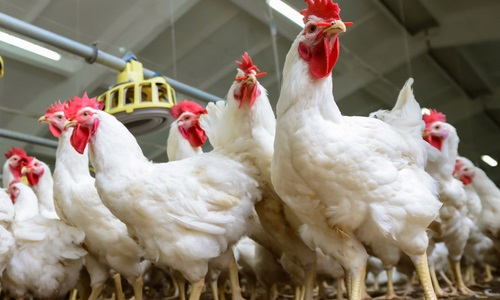
In poultry production, biosecurity measures have gained significant and growing attention as a means to prevent the spread of severe and highly contagious diseases such as avian influenza, Newcastle disease and infectious laryngotracheitis, as well as food-borne zoonotic infections like salmonellosis and campylobacteriosis. For poultry farms, biosecurity measures are essential not only for the health of the birds but also for protecting the economic viability of the farm. Effective biosecurity involves a combination of physical barriers, management practices and hygiene protocols.
- External Biosecurity: This focuses on preventing pathogens from entering the farm. For this, the following measures can be adopted.
- Perimeter Control: Restricting access to the farm with fencing, signage, and controlled entry points. People entering the farm are the main carriers of disease. This includes farm employees, veterinarians, truck drivers, vaccination teams, and maintenance workers. Limit visits to only those necessary and strictly prohibit unauthorised persons. Visitors and service personnel should complete and sign a visitor log before entering the farm.
- Vehicle and Personnel Management: Implementing procedures for cleaning and disinfecting vehicles and requiring farm-specific clothing and footwear for personnel. Ensuring that farm workers and visitors follow hygiene protocols, such as washing hands and changing clothing or footwear before entering the poultry areas, is vital. Reducing the number of visitors to the farm also lowers the risk of disease introduction.
- Wild Bird and Pest Control: Minimising the risk of disease transmission from wild birds, rodents, and other pests through measures like proper waste disposal and pest control programs. Install bait stations along house walls and in areas with high rodent activity. Check stations weekly and replace bait as needed. Keep a detailed record of each station’s location, usage, chemicals used, and bait replacement frequency.
- Internal Biosecurity: This focuses on preventing the spread of disease within the farm. Implementing strict hygienic measures are essential to prevent the spread of pathogens. These include bio-exclusion (preventing pathogens from entering the farm) and bio-containment (preventing pathogens from leaving the farm).
- Shed Hygiene: Regularly cleaning and disinfecting poultry houses, feeders, and waterers.
- Disease Surveillance: Implementing monitoring programmes to detect and respond to disease outbreaks promptly. Regular health checks and vaccination programmes, along with careful monitoring of flock health and record keeping, are necessary for detecting and managing disease early.
- Proper Waste Disposal: Ensuring proper disposal of dead birds and manure to prevent the spread of pathogens. Methods such as incineration, composting, or removal by specialized waste management companies can be used for disposal of all farm waste safely. All disposal methods must comply with local environmental regulations.
- Structural and Conceptual Biosecurity
It involves planning the farm layout to minimise disease spread, including distance between poultry houses and other factors. It also includes physical barriers and facilities for waste management. Each farm, ideally each house, should have a single access point and a well-designed changing room. A physical barrier must clearly separate the dirty zone from the clean zone. The dirty area should have a clothes rack for outside clothing. Install a shower if possible. If not, provide a sink with bactericidal soap for hand washing. The clean area should have a closet with clean clothing, including coveralls and disposable caps. It must also provide clean footwear for farm use only. A footbath with disinfectant should be available. Poorly managed footbaths can spread contamination. Clean them daily and refill with fresh disinfectant. Sunlight, rainwater, and dirt can weaken disinfectant effectiveness. Shoe soles can carry pathogens. Brush them before using the footbath and clean them after each visit. Changing rooms must have mandatory showers for all visitors. Farm employees should shower before entering. This is a must if exposed to risks, such as visiting older or unhealthy flocks. Deny access to any visitor who poses a risk to bird health and reschedule the visit.
- Operational Biosecurity
This concept includes all routine farm operations. The farm operating procedures manual must clearly describe these routine operations. It focuses on daily practices like visitor logs, clothing changes and sanitation procedures. Regular cleaning and disinfection of poultry houses, equipment and vehicles would help to remove potential disease agents. A strict disinfection protocol should be followed to reduce contamination.
- Quarantine and Isolation: New birds or animals should be isolated from the main flock for a set period before they are introduced. This allows any potential illnesses to show up before they can spread to the rest of the flock.
- Water and Feed Management: Ensuring the quality and hygiene of water and feed is crucial, as contaminated water and feed can be a significant source of disease transmission. Water and feed are to be stored and handled correctly to prevent the introduction of disease agents via these resources. Drinking water and cooling system water, such as in foggers and evaporative panels, must meet good sanitary standards. An efficient water treatment system should maintain quality. Keeping water tanks closed prevents wild birds from contaminating the water with harmful microorganisms. Pathogens can spread through feed due to contaminated raw materials, cross-contamination after production, or during transport. Feed mills should always follow good manufacturing practices. Chemical and thermal treatments help reduce the risk of disease in feed. To prevent contamination by rodents or wild birds, keep silos closed and clean up any spilt feed immediately.
- Awareness of Staff: Educating all farm personnel about biosecurity protocols and the importance of following them is essential. Educating all farm personnel about biosecurity protocols and reinforcing the importance of consistently following them is a critical component of effective disease prevention in poultry farming. Everyone working on the farm, from management to labourers, plays a role in maintaining biosecurity. Comprehensive training ensures that the staff understands the risks associated with infectious diseases, recognize potential sources of contamination and are fully aware of the procedures needed to minimise those risks. This includes proper hygiene practices, movement control, equipment disinfection and the handling of sick or dead birds. When farm workers are knowledgeable and committed to biosecurity, the likelihood of disease introduction and spread is significantly reduced. Continuous education and regular updates on biosecurity practices help build a culture of accountability and vigilance, which is essential for the long-term success and sustainability of the poultry industry.
Conclusions
Biosecurity has become an essential component of modern poultry farming and is critical to the long-term sustainability of the poultry industry. Although vaccines and antibiotics play a supportive role, the prevention and elimination of disease agents remain fundamental to ensuring the health and productivity of poultry flocks. The success or failure of the industry increasingly depends on the effectiveness of biosecurity measures. As such, biosecurity is regarded as an indispensable tool for controlling the spread of infectious diseases and must be implemented not only at the farm level but also through coordinated, country-wide strategies to achieve meaningful and lasting results. By implementing a comprehensive biosecurity plan consistently, poultry farmers can significantly reduce the risk of disease outbreaks, protect their flocks and maintain a healthy and productive farming operation.
Writer:
Jinu Manoj and Manoj Kumar Singh
Disease Investigation Officer, LUVAS, Hisar, Haryana
Assistant Professor, COVAS, SVPUAT, Meerut, Uttar Pradesh