COLOSTRUM AND ITS IMPORTANCE IN CALVES
Cow colostrum is the “first milk” secreted by female cows during the first 1–7 days after giving birth. It is a vital source of nutrition for newborn calves, providing essential immunity and growth-supporting components. Acting as a form of passive immunization, colostrum contains a unique combination of specific (immunoglobulins, Ig) and non-specific (humoral and cellular) immune factors. These antimicrobial elements play a crucial role in protecting calves from diseases during their early days of life.
The fundamental components of ruminant colostrum can be categorized into three key factors: nutrition, immunity, and growth. High-quality colostrum significantly enhances calf survival, strengthens immune defenses, and promotes optimal health and development. Conversely, delaying colostrum intake reduces the transfer of passive immunoglobulins and deprives the calf of essential nutrients, increasing the risk of illness and mortality. Ensuring timely colostrum feeding is critical for the well-being and long-term viability of livestock.
Colostrum
Colostrum is a white, milky fluid that contains a high concentration of immunoglobulins (antibodies), vitamins, and nutrients. It is produced by cows during the first few days after calving and is significantly different from regular milk in terms of composition. Unlike regular milk, colostrum has almost 100 times more antibodies, which are essential for protecting newborn calves from infections and diseases.
Importance of Colostrum for Dairy Calves
- Immune System Development: Dairy calves are born with an underdeveloped immune system because immunoglobulins cannot pass through the placenta. Colostrum provides these essential antibodies, offering protection against pathogens until the calf’s immune system matures.
- Nutritional Benefits: Colostrum is rich in energy, proteins, and vitamins A, D, E, and K, which are crucial for growth and development. It contains about 50% more fat and nearly five times as much protein as regular milk, supporting overall health.
- Gastrointestinal Health: Colostrum aids in the maturation of the calf’s gastrointestinal tract, enhancing nutrient absorption and supporting the development of beneficial gut flora.
- Thermoregulation: The fat in colostrum helps with thermoregulation, providing energy and warmth to newborn calves.
Nutritional Composition of Colostrum
Colostrum is a nutrient-dense fluid designed to support the early development and immune protection of newborn mammals, differing significantly from regular milk in both composition and function. Colostrum differs significantly from regular milk in terms of nutrient content, composition, and function.
Nutrient Content
- Protein: Colostrum contains a higher concentration of proteins (14%-16%) compared to regular milk(3.5%). In bovine colostrum, this includes immunoglobulins (antibodies) and growth factors like insulin-like growth factors (IGF-1 and IGF-2) that support growth and immune development.
- Fat: Bovine colostrum typically has a higher fat content than regular cow’s milk, which helps provide energy to newborn calves.
- Carbohydrates: Colostrum generally contains lower levels of carbohydrates (lactose) than mature milk. This is because its primary function is immunological rather than nutritional.
- Vitamins and Minerals: Colostrum is rich in vitamins A, C, E, and minerals like magnesium and zinc, which support immune function and overall health.
Function
- Antibodies: Colostrum is rich in antibodies (immunoglobulins), which provide newborns with passive immunity against infections until their own immune systems mature.
- Growth Factors: Bovine colostrum contains growth factors that can stimulate growth and muscle development, making it popular among athletes.
- Duration of Production: Colostrum is produced only during the first few days after birth, transitioning to transitional milk and eventually mature milk.
Feeding Guidelines
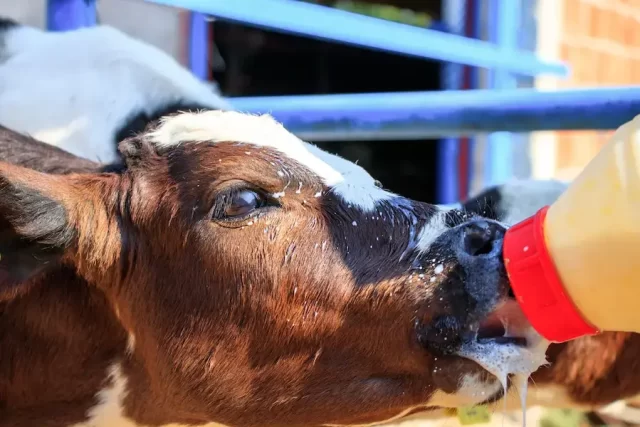
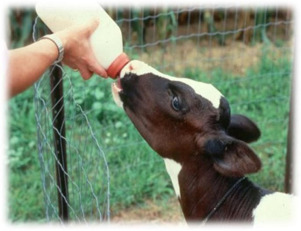
- Timing: The first feeding of colostrum should occur within the first hour of birth, with subsequent feedings within 12 and 24 hours.
- Quantity: Calves should receive 10% to 12% of their body weight in colostrum at the first feeding.
- Quality: High-quality colostrum should have a Brix measurement of 22 or higher and contain 100 to 200 grams of immunoglobulins per liter.
Preparation of Artificial Colostrum for Bovines
Artificial colostrum is an essential alternative for calves whose mothers are unable to produce sufficient natural colostrum or have died. The preparation of artificial colostrum involves combining various ingredients to mimic the nutritional and immunological benefits of natural colostrum.
Basic Ingredients:
- Cow Milk: Provides essential nutrients like proteins, fats, and carbohydrates.
- Egg: Adds proteins and antibodies.
- Castor Oil: Acts as a laxative to help with digestion.
- Vitamins and Minerals: Enhance nutritional value.
- Immunoglobulins (IgG): Essential for providing passive immunity.
Preparation Techniques:
- Simple Recipe: Mix one raw egg with with half a liter of whole milk and add some castor oil as a laxative.
- Advanced Formulations: Include cow milk, auxiliary materials, IgG, vitamins, and mineral substances to closely replicate natural colostrum.
Artificial colostrum is a vital tool in calf care, especially in situations where natural colostrum is unavailable. While it cannot fully replicate the benefits of natural colostrum, it provides essential nutrients and immune protection, helping to ensure the health and survival of newborn calves.
Conclusion
Colostrum is indispensable for the health and survival of dairy calves, providing essential antibodies and nutrients that support immune system development and overall growth. Proper management of colostrum quality, quantity, timing, and cleanliness is crucial to ensure that calves receive the full benefits of this vital first feed. By implementing effective colostrum management strategies, dairy farmers can significantly improve calf health, reduce mortality rates, and enhance long-term productivity.
1Bagavathi M,2Chidambaranathan Arumugasami,3Kapilan P, 4Pasupathi Karu
1MVSc Scholar, Animal Physiology Division, ICAR – National Dairy Research Institute, Karnal-132001, Haryana, India.
2MVSc Scholar, Division of Extension Education, Indian Veterinary Research Institute, Izatnagar, Bareilly, Uttarpradesh – 243122.
3Third year, Arawali Veterinary College, Sikar- 332403, Rajasthan, India.
4Professor and Head, Animal Nutrition Department, Veterinary College and Research Institute, Tirunelveli-627358, Tamil Nadu, India.
Mail id – bagavathimuthappan55@gmail.com