Next-Generation Vaccines: The Future of Poultry Disease Prevention
Poultry farming is one of the fastest-growing sectors in global agriculture, supplying essential protein to billions of people. However, the industry faces persistent threats from infectious diseases such as avian influenza, Newcastle disease, infectious bronchitis, and infectious bursal disease. Traditional vaccination methods have played a crucial role in controlling these diseases, but new scientific advancements are set to revolutionize poultry disease prevention. With the rise of next-generation vaccines, including mRNA and recombinant vaccines, poultry farmers and veterinarians now have access to innovative solutions that offer improved efficacy, safety, and adaptability.
The Evolution of Poultry Vaccines
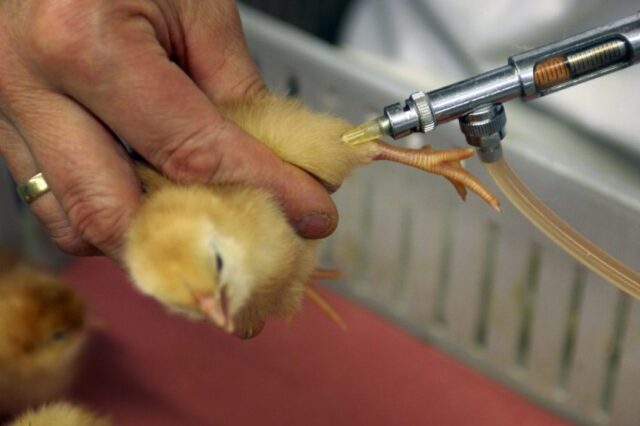
Historically, poultry vaccines have included live attenuated, inactivated (killed), and vector-based vaccines. While these traditional methods have successfully controlled outbreaks, they come with limitations, such as the need for multiple booster doses, cold chain dependence, and varying effectiveness against evolving viral strains. The emergence of next-generation vaccine technologies promises to overcome these challenges by offering precision, adaptability, and enhanced immune responses.
mRNA Vaccines: A Breakthrough in Poultry Health
The success of mRNA vaccines in combating COVID-19 has sparked interest in their application for poultry disease prevention. Unlike conventional vaccines, which use live or killed pathogens, mRNA vaccines work by instructing cells to produce viral proteins that trigger an immune response. These vaccines are highly adaptable and can be developed rapidly to combat emerging poultry diseases.
Benefits of mRNA Vaccines for Poultry:
- Faster Development and Production: mRNA vaccines can be designed and manufactured in a fraction of the time required for traditional vaccines. This rapid response capability is critical for managing sudden disease outbreaks like avian influenza.
- Highly Targeted Immune Response: mRNA technology allows precise targeting of viral antigens, enhancing immune protection while minimizing risks of adverse reactions.
- No Risk of Reversion to Virulence: since mRNA vaccines do not contain live viruses, there is any risk of the virus mutating back to a more virulent form, a concern associated with live attenuated vaccines.
- Customizability for Emerging Strains: New strains of poultry pathogens can be addressed quickly by modifying the mRNA sequence, making this technology particularly useful for rapidly mutating viruses like avian influenza.
- Enhanced Safety Profile: Without the need for live viral components, mRNA vaccines reduce the risk of contamination and cross-species transmission.
Recombinant Vaccines: Precision and Versatility
Recombinant vaccines represent another frontier in poultry disease prevention. These vaccines are engineered using genetic technologies to express specific antigens from poultry pathogens in a safe and controlled manner. Instead of using whole viruses or bacteria, recombinant vaccines introduce only the necessary antigens to trigger immunity.
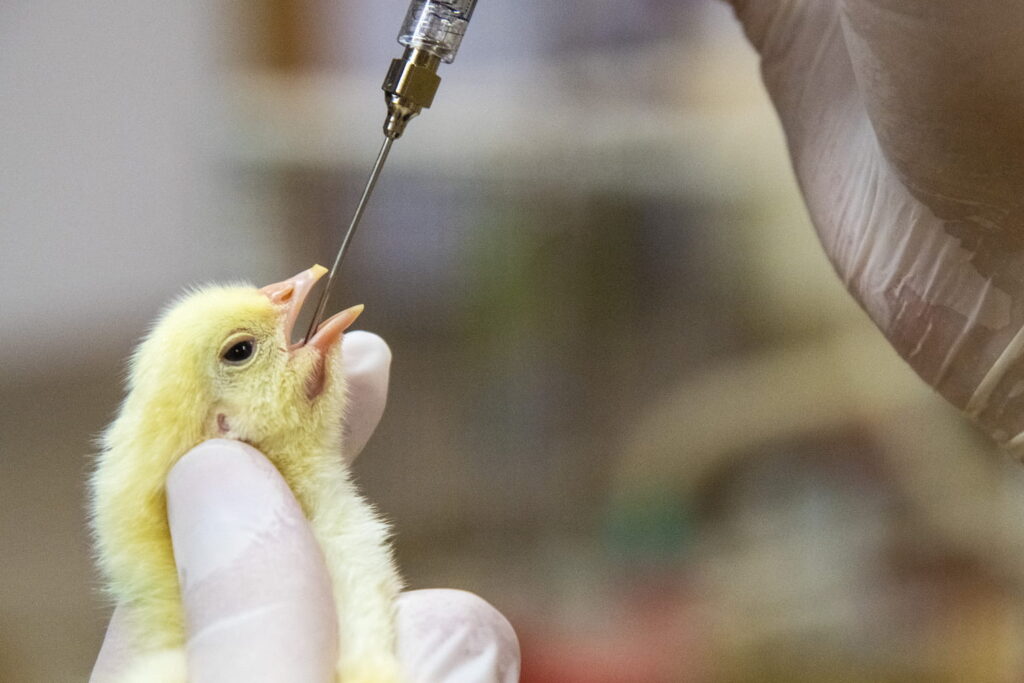
Types of Recombinant Vaccines Used in Poultry:
- Vector-Based Recombinant Vaccines: These use harmless viruses (such as fowlpox or herpesvirus) as carriers to deliver genetic material coding for poultry pathogen antigens.
- Protein Subunit Vaccines: These contain only specific protein antigens from a pathogen, eliminating the risk of infection while ensuring an immune response.
- DNA-Based Recombinant Vaccines: These introduce DNA sequences encoding viral proteins directly into cells, which then produce the proteins to stimulate immunity.
Advantages of Recombinant Vaccines:
- Longer Immunity Duration: Many recombinant vaccines provide longer-lasting protection compared to traditional vaccines, reducing the need for frequent booster doses.
- Improved Safety and Stability: Since these vaccines do not contain live pathogens, they are inherently safer and have minimal risk of causing disease.
- Broader Protection: Some recombinant vaccines can be designed to protect against multiple pathogens in a single dose, improving disease management efficiency.
- Cost-Effectiveness: Although initial research and development costs are high, recombinant vaccines can be mass-produced efficiently, reducing long-term costs for poultry producers.
Applications of Next-Generation Vaccines in Poultry Disease Prevention
1. Avian Influenza (H5N1, H7N9, etc.)
Avian influenza continues to pose a severe threat to global poultry production and public health. Traditional vaccines have limitations due to rapid viral mutations. mRNA and recombinant vector vaccines are now being developed to provide broader and more adaptable protection. These vaccines can be updated quickly to match circulating strains, ensuring effective immunity.
2. Newcastle Disease
Newcastle disease remains a major cause of economic loss in the poultry industry. Recombinant vector vaccines using herpesvirus or poxvirus vectors have shown promising results in providing long-lasting immunity with a single dose. These vaccines also eliminate the shedding of live virus, reducing transmission risks.
3. Infectious Bursal Disease (IBD)
Recombinant vaccines for IBD have demonstrated superior efficacy compared to traditional live and killed vaccines. These vaccines provide strong immunity without causing immunosuppression, which is a concern with some live attenuated vaccines.
4. Salmonella and Campylobacter Control
Bacterial infections like Salmonella and Campylobacter can lead to foodborne illnesses in humans and economic losses for poultry farmers. Recombinant vaccines targeting these bacteria can significantly reduce colonization in birds, improving food safety and reducing antibiotic reliance.
Challenges and Considerations in Implementing Next-Generation Poultry Vaccines
While next-generation vaccines offer significant advantages, several challenges must be addressed before their widespread adoption:
- Regulatory Approvals: Novel vaccine technologies must undergo rigorous testing to meet safety and efficacy standards set by regulatory authorities.
- Cost and Accessibility: Advanced vaccines may have higher initial costs, requiring financial support for widespread implementation.
- Cold Chain and Storage Requirements: While mRNA vaccines require ultra-cold storage, efforts are being made to develop thermostable formulations for easier distribution.
- Public and Industry Acceptance: Educating poultry farmers and veterinarians about the benefits and safety of new vaccine technologies is essential for successful adoption.
The Future of Poultry Disease Prevention
The introduction of next-generation vaccines represents a paradigm shift in poultry health management. As research and technology continue to evolve, poultry producers will benefit from more effective, safer, and adaptable vaccination strategies. Governments, industry leaders, and researchers must collaborate to ensure these innovations are accessible and affordable for poultry farmers worldwide.
By leveraging mRNA and recombinant vaccine technologies, the poultry industry can significantly reduce disease outbreaks, improve bird health, and enhance food security. The future of poultry disease prevention lies in innovation, and these advanced vaccines are set to play a pivotal role in shaping a more resilient poultry sector.