PREVENTION AND CONTROL OF AVIAN SALMONELLOSIS
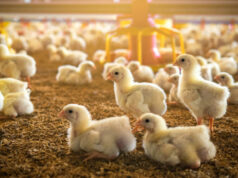
India’s poultry sector is fast growing. However, the poultry industry has been threatened by many pathogenic infections of viral, bacterial, parasitic and fungal origin. Salmonellosis is a severe disease problem facing the poultry industry worldwide which is caused by Salmonella organisms. There are many types of Salmonella species infecting avian species. Poultry can carry some Salmonella serovars without any outwards signs or symptoms of disease. Salmonella can be introduced to a flock via multiple environmental sources such as feed, water, rodents or contact with other poultry. Salmonella Pullorum and Salmonella Gallinarum were found to be avian specific species. However, infections with other low avian-specific serovars have been also reported. Salmonella infection is transmitted vertically and horizontally in poultry, and its incidence is high in one day old chicks. The severity of Salmonella infection is varied according to many factors, including hostage, host immunity, presence of co-infections, environmental, stress, management factors and infective dose, with older birds less susceptible to salmonellosis.
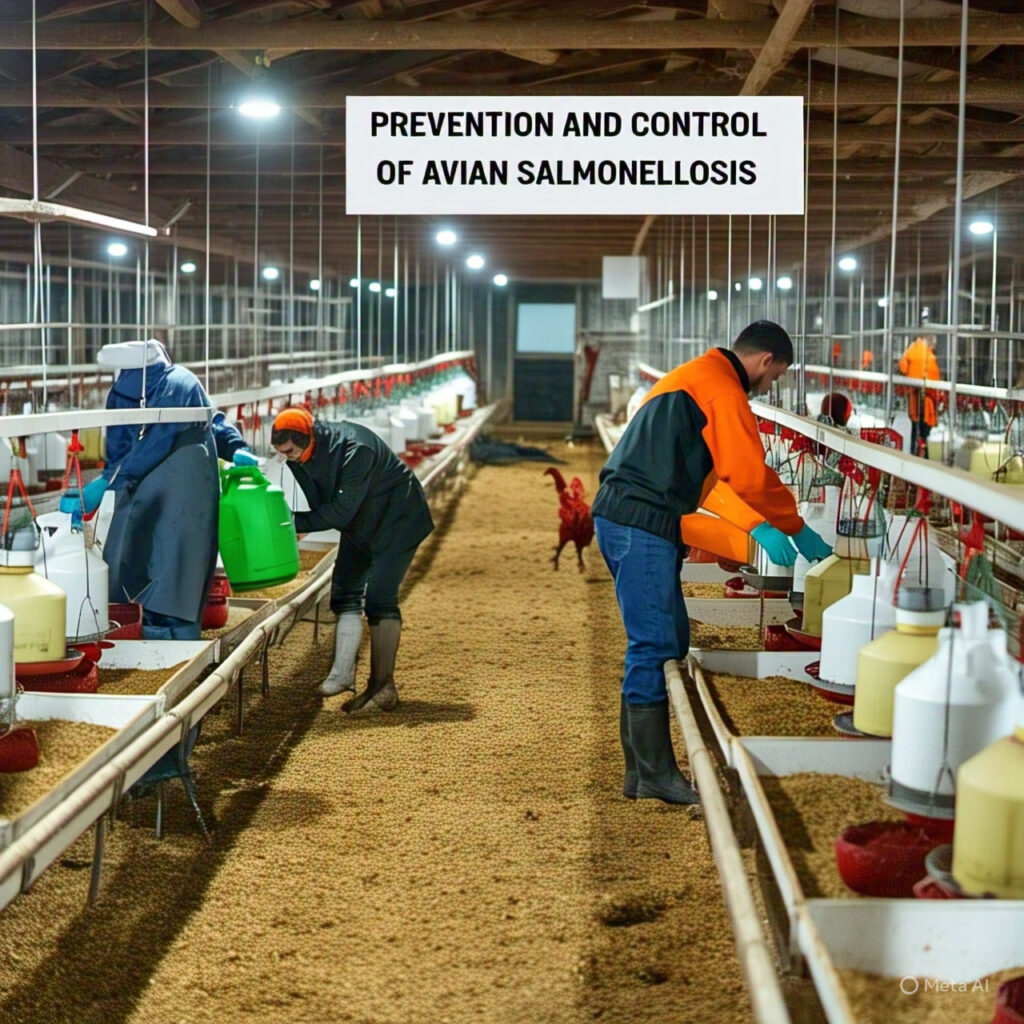
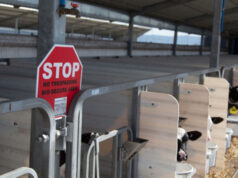
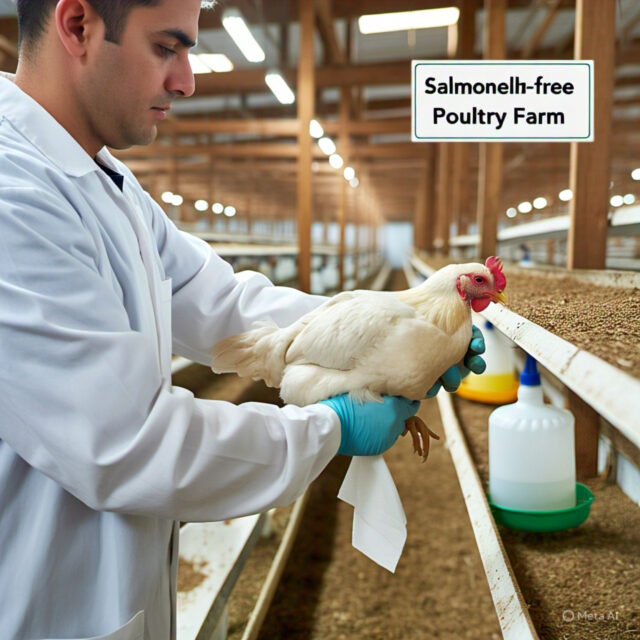
Prevention and control of salmonellosis can be achieved by adopting Good Agricultural Practices and Hazard Analysis Critical Control Point principles. Efforts must focus on preventing the entrance of Salmonella into a flock. Effective prevention and treatment against Salmonella must start by obtaining eggs or birds from certified Salmonella-free flocks. Day old birds used to stock a poultry house should be obtained from breeder flocks and hatcheries that have been monitored in accordance with standard guidelines and in which no evidence of S. Enteritidis and S. Typhimurium has been detected. Layer and breeder flocks should be also stocked from flocks that have been free from S. Enteritidis and S. Typhimurium. If eggs will be incubated, the equipment and the eggs should be thoroughly disinfected. Before the arrival of new birds, the poultry house and equipment must be disinfected, and pests such as rodents and insects must be under control. Bait stations and traps must be operational for as long as poultry has been available at the farm. Bait should be changed periodically as per the manufacturer recommendations. Restrict the movement of equipment, personnel and poultry between flocks.
Feed contamination with Salmonella is known to be a source of infection for poultry. Therefore, it is recommended to monitor the Salmonella status of poultry feed also. Heat treated feed with or without the addition of other bactericidal or bacteriostatic treatments, e.g. organic acids, are recommended. Feed should be stored in clean closed containers to prevent access by wild birds and rodents. Spilled feed should be cleaned up immediately to remove attractants for wild birds and rodents. Treated feed should be handled and stored in such a way as to avoid recontamination. Water must be from a Salmonella-free source and treated with chlorine.
Additional prevention and control measures include vaccination, competitive exclusion, use of organic acids, culling and product diversion to processing. Vaccines against salmonellosis have been used in layers to reduce the susceptibility of the flock to salmonellosis. This approach, coupled with stringent biosecurity standards, has reduced the incidence of Salmonella infection. Water and feed acidifiers, probiotics, prebiotics and yeast extract have been used as tools to decrease the ability of Salmonella to colonize the intestinal tract of poultry, with limited success. In general, these strategies have shown some efficacy reducing the intestinal colonization and organ invasion after a challenge.
Prevention strategies using antibiotics have good clinical results. However, it has potential problems and hazards like 1. Antibiotic resistance: Abuse of antibiotics will accelerate the mutation and evolution of Salmonella, forming new drug-resistant flora and exacerbating the difficulty of Salmonella treatment and prevention. 2. Antibiotic pollution: Antibiotics and their metabolites will remain in poultry feces and then excreted, contaminating soil and water, affecting the growth of plants and livestock and poultry, and ultimately enriched in the human body, causing abnormal reactions. 3. Potential drug safety issues. The abuse of antibiotics has associated drug safety concerns. It may disrupt the balance of gut microbiota and inhibit immune cell function, leading to inflammation, allergies, and even irreversible hepatic and renal injury.
Salmonella cannot be eradicated from a flock with the use of antibiotics. Antimicrobial agents should not be used to control infection with Salmonella in poultry because the effectiveness of the treatment is limited, may mask the infection at sampling, has the potential to produce residues in meat and eggs and can contribute to the development of antimicrobial resistance. Antimicrobial agents may also reduce normal flora in the gut and increase the likelihood of colonisation with Salmonella. In special circumstances antimicrobial agents may be used to salvage birds with high genetic value.
Unlike antibiotics, the active ingredients in natural medicines, such as unsaturated fatty acids, proteins, polysaccharides, and alkaloids, can be utilized or metabolized by host animals and gut microbiota. This not only significantly alleviates the metabolic burden on the liver and kidneys but also prevents environmental pollution caused by residual drug components. During the clearance of Salmonella, natural medicines enhance the richness of gut beneficial microbes. Their relatively mild bactericidal effect is conducive to the recovery of infected animals after the acute phase.
Competitive exclusion may be used in day-old birds to reduce colonisation by Salmonella. Competitive exclusion products should be administered in accordance with the instructions provided by the manufacturer and in accordance with the standards and recommendations of the Veterinary Services.
Vaccines are used against Salmonella infections caused by different serotypes in various poultry species, including single or combined vaccines. If live vaccines are used, it is important that field and vaccine strains be easily differentiated in the laboratory. Vaccination can be used as part of an overall Salmonella control programme. It is recommended that vaccination not be used as the sole control measure. When the status of the breeder flock or the hatchery from which the flock originates is not known, vaccination of flocks starting with day old birds, against the Salmonella serotypes should be considered. When used, vaccines should be administered in accordance with the instructions provided by the manufacturer and in accordance with the standards and recommendations of the Veterinary Services.
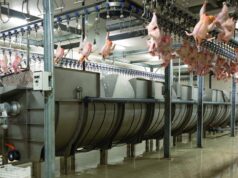
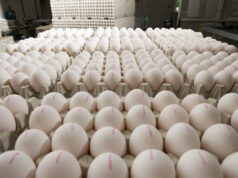
Depending on animal health, risk assessment and public health policies, culling is an option to manage infected breeder and layer flocks. Infected flocks should be destroyed or slaughtered and processed to minimise human exposure to Salmonella. If culling is not applied, eggs for human consumption should be diverted for processing for inactivation of Salmonella.
No single measure used alone will achieve effective Salmonella control. Stringent biosecurity practices, covering all aspects of the operation, are needed to keep flocks Salmonella-negative. The combination of these points provides a series of hurdles to minimize the risk of Salmonella infection. The World Health Organization (WHO) recognizes that control of Salmonella infection from poultry can be obtained by following methods viz., education of the public, improvements in slaughter hygiene and technology and control of infection in the poultry.
Manoj Kumar Singh and Jinu Manoj
Assistant Professor, COVAS, SVPUAT, Meerut, Uttar Pradesh
DIO, College Central Laboratory, LUVAS, Hisar, Haryana