The Rise of Antibiotic-Free Poultry Farming
Introduction
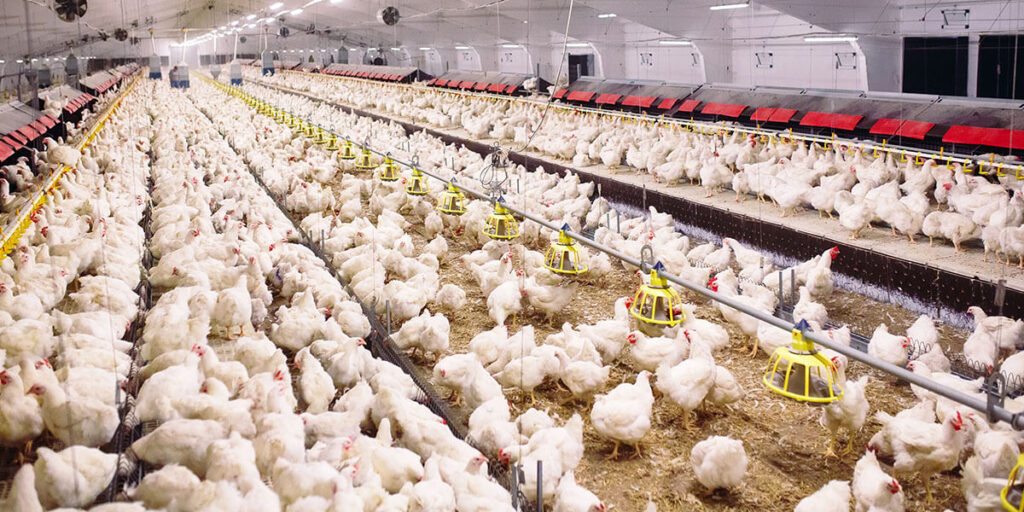
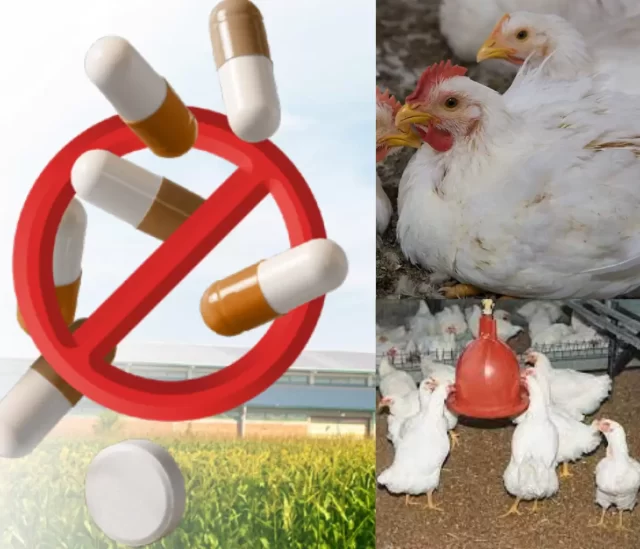
The global poultry industry is undergoing a significant transformation with the shift toward antibiotic-free (ABF) farming. With growing consumer demand for healthier and more sustainable food, along with concerns over antibiotic resistance, governments, farmers, and researchers are exploring alternative strategies to maintain poultry health and productivity without relying on antibiotics. This article delves into the reasons behind the rise of antibiotic-free poultry farming, the challenges faced, and the innovative solutions shaping the future of poultry production.
Why Reduce Antibiotic Use in Poultry Farming?
Antibiotics have long been used in poultry farming for disease prevention, growth promotion, and treatment of infections. However, excessive and indiscriminate use of antibiotics has raised serious concerns worldwide, particularly regarding:
- Antibiotic Resistance: Overuse of antibiotics in poultry farms contributes to the development of antibiotic-resistant bacteria. These bacteria can transfer to humans through direct contact, consumption of poultry products, or environmental exposure, posing a serious public health threat.
- Consumer Preferences: Modern consumers are increasingly aware of food safety and demand poultry products free from antibiotic residues. Many are willing to pay a premium for antibiotic-free and organic poultry.
- Regulatory Restrictions: Governments and regulatory bodies worldwide have imposed strict regulations on antibiotic use in animal agriculture. The European Union (EU) banned antibiotic growth promoters in 2006, and the United States has also implemented measures to restrict the use of medically important antibiotics in food-producing animals.
- Sustainable Farming Practices: Antibiotic-free poultry farming aligns with the principles of sustainability, focusing on natural disease resistance, improved animal welfare, and reduced environmental impact.
Challenges in Antibiotic-Free Poultry Farming
Transitioning to antibiotic-free poultry farming presents several challenges for farmers, including:
- Disease Management: Without antibiotics, poultry farms must find alternative ways to prevent and manage bacterial infections such as colibacillosis and necrotic enteritis.
- Feed Efficiency and Growth Rates: Antibiotics have traditionally been used to promote faster growth in poultry. Farmers need alternative strategies to maintain productivity without compromising bird health.
- Higher Production Costs: Implementing antibiotic-free farming practices often involves increased costs for biosecurity, alternative feed additives, and enhanced management techniques.
- Maintaining Flock Health: Ensuring bird welfare without antibiotics requires rigorous biosecurity measures, better nutrition, and the use of alternative health-boosting solutions.
Alternative Strategies for Antibiotic-Free Poultry Farming
To successfully transition to antibiotic-free poultry farming, farmers are adopting a range of innovative solutions:
1. Probiotics and Prebiotics
Probiotics are beneficial bacteria that help maintain gut health, improve digestion, and enhance immunity in poultry. Prebiotics, on the other hand, are non-digestible fibers that serve as food for beneficial gut bacteria, promoting a healthy microbiome.
- Common probiotics used in poultry farming: Lactobacillus, Bacillus, and Enterococcus species.
- Prebiotic sources: Mannan-oligosaccharides (MOS), fructo-oligosaccharides (FOS), and inulin.
2. Phytogenics and Herbal Supplements
Phytogenic feed additives derived from herbs, spices, and plant extracts offer natural antimicrobial and growth-promoting properties. Some commonly used phytogenics include:
- Garlic and Oregano: Possess strong antibacterial and antiviral properties.
- Cinnamon and Ginger: Aid digestion and have immune-boosting effects.
- Turmeric: Contains curcumin, which has anti-inflammatory and antimicrobial properties.
3. Vaccination and Immunomodulators
Enhancing bird immunity through effective vaccination programs is crucial in antibiotic-free poultry farming. Vaccines help prevent major poultry diseases such as Newcastle disease, infectious bronchitis, and avian influenza.
Additionally, immunomodulators, such as beta-glucans and essential oils, stimulate the immune system, making birds more resistant to infections.
4. Enzymes and Organic Acids
Enzyme supplements improve nutrient digestion, reducing gut stress and the likelihood of bacterial infections. Organic acids, such as lactic acid and formic acid, lower gut pH, inhibiting harmful bacterial growth.
5. Enhanced Biosecurity Measures
Strict biosecurity measures are essential in antibiotic-free poultry farming to prevent disease outbreaks. Key biosecurity practices include:
- Strict farm entry protocols: Limiting access to authorized personnel only.
- Regular cleaning and disinfection: Ensuring hygienic conditions in poultry houses.
- Proper ventilation and litter management: Reducing moisture and ammonia levels to minimize disease risks.
6. Optimized Nutrition and Feed Formulation
A well-balanced diet is fundamental for poultry health and performance. Farmers are using high-quality feed ingredients, essential amino acids, and fatty acids to support gut health and immune function.
- Essential nutrients for antibiotic-free poultry farming:
- Vitamin E and Selenium: Support immune response.
- Omega-3 fatty acids: Reduce inflammation.
- Zinc and Copper: Promote gut health and disease resistance.
Case Studies: Success in Antibiotic-Free Poultry Farming
Several poultry farms worldwide have successfully transitioned to antibiotic-free production while maintaining profitability and animal welfare.
- Case Study 1: U.S. Poultry Industry
- A leading poultry producer in the U.S. reduced antibiotic use by incorporating probiotics, essential oils, and strict biosecurity measures.
- Result: Improved bird health, better feed conversion rates, and increased consumer demand for ABF products.
- Case Study 2: European Poultry Industry
- In the Netherlands, poultry farmers shifted to herbal supplements and organic acids to control bacterial infections.
- Result: Reduced mortality rates and enhanced bird performance without antibiotics.
Future of Antibiotic-Free Poultry Farming
The future of antibiotic-free poultry farming looks promising, with continuous research and technological advancements driving the industry forward. Key trends include:
- Precision Farming Technologies: AI-driven health monitoring systems to detect early disease signs and optimize farm management.
- Next-Generation Vaccines: Development of mRNA and recombinant vaccines to provide better disease protection.
- Gene Editing and Selective Breeding: Enhancing genetic resistance to diseases in poultry breeds.
Conclusion
Antibiotic-free poultry farming is no longer just an option—it is becoming a necessity for sustainable and responsible poultry production. While challenges remain, innovative solutions such as probiotics, phytogenics, enhanced biosecurity, and precision nutrition are paving the way for a healthier, antibiotic-free future. By adopting these strategies, poultry farmers can meet consumer expectations, comply with regulatory requirements, and ensure long-term industry sustainability.
As the world continues to move toward safer and more natural poultry farming practices, industry stakeholders must collaborate to advance research, develop new technologies, and promote responsible farming practices. The rise of antibiotic-free poultry farming is not just a trend—it is a vital step toward a healthier future for both poultry and consumers.