The Silent Threat: The Drastic Effect of Mastitis on Indian Milk Production and Economy
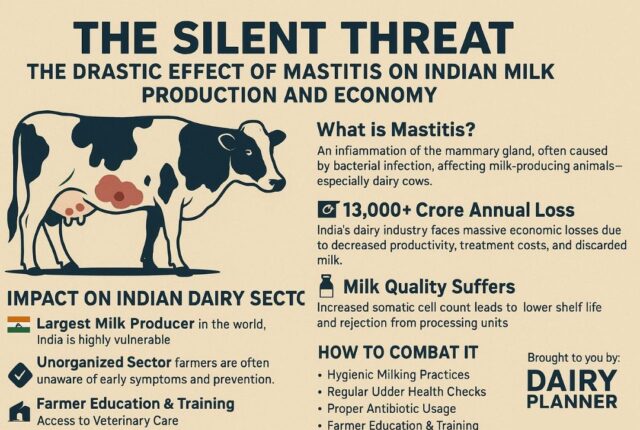
Mastitis, an inflammatory disease affecting the mammary glands of dairy animals, is one of the most severe health challenges in the Indian dairy industry. As India stands as the world’s largest milk producer, contributing over 25% of global milk production, the impact of mastitis on this sector is both alarming and economically significant. The disease leads to reduced milk yield, poor quality milk, and significant financial losses for farmers. Addressing mastitis through effective prevention strategies is essential to sustaining India’s dairy economy and ensuring food security.
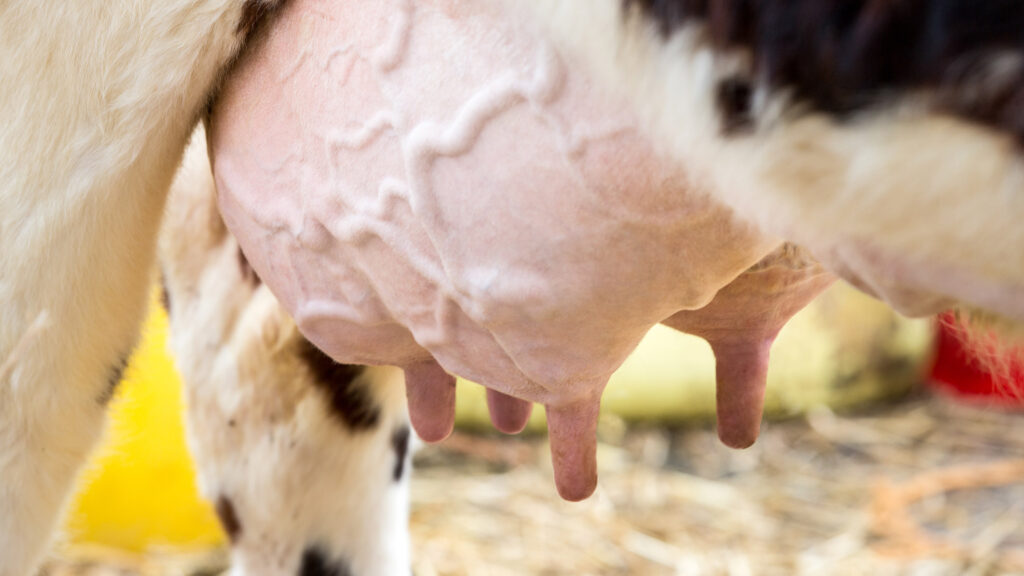
Understanding Mastitis and Its Prevalence in India
Mastitis is primarily caused by bacterial infections, often exacerbated by poor hygiene, inadequate milking practices, and environmental factors. The disease manifests in two forms: clinical mastitis, which is visibly detectable, and subclinical mastitis, which remains unnoticed but causes considerable production losses. Studies estimate that nearly 40% of dairy cattle in India suffer from some form of mastitis, leading to significant economic damage.
The high prevalence of mastitis is attributed to unorganized dairy farming, lack of awareness among farmers, and insufficient veterinary care. Small and marginal farmers, who make up a large portion of India’s dairy sector, often struggle with proper animal management practices, increasing the risk of mastitis outbreaks.
The Economic Impact of Mastitis on Indian Dairy Farming
The economic repercussions of mastitis in India are staggering. The disease reduces milk yield by 20-30%, translating into millions of liters of milk lost annually. Additionally, mastitis leads to lower milk quality due to increased somatic cell counts (SCC) and bacterial contamination, making it unsuitable for consumption and processing.
Financial losses due to mastitis can be categorized into direct and indirect costs:
- Direct Costs: Loss of milk production, treatment expenses, veterinary costs, and culling of severely affected animals.
- Indirect Costs: Reduced reproductive efficiency, increased labor requirements, and long-term decline in milk quality.
A study by the National Dairy Research Institute (NDRI) estimated that India loses nearly ₹13,000 crore annually due to mastitis. This loss not only affects individual farmers but also hampers India’s dairy export potential and overall economic growth in the livestock sector.
Mastitis and Its Effect on India’s Milk Supply Chain
India’s dairy industry is a key contributor to rural livelihoods, with millions of small-scale farmers dependent on milk production. Mastitis disrupts the milk supply chain, affecting dairy cooperatives and processing units. Contaminated milk often needs to be discarded, leading to shortages and price fluctuations.
Additionally, the presence of antibiotics in milk due to mastitis treatment raises public health concerns and affects the credibility of Indian dairy products in international markets. Countries with strict food safety regulations impose bans on contaminated dairy imports, limiting India’s export capabilities and reducing profitability in the sector.
Impact on Farmer Livelihoods and Rural Economy
Mastitis has a direct effect on small and marginal farmers, who rely heavily on dairy farming as their primary source of income. Since a large portion of India’s dairy industry is unorganized, most farmers lack access to proper veterinary care and preventive measures. The financial burden of treating mastitis, combined with reduced milk yield, often forces small farmers into debt.
Furthermore, as milk production declines, rural dairy cooperatives and milk processing industries suffer losses, leading to job insecurities for labourers involved in the dairy value chain. Since the dairy sector significantly contributes to rural employment, mastitis indirectly affects millions of workers, from milk collectors to processing plant employees, thereby slowing down rural economic growth.
Public Health Concerns Linked to Mastitis
Mastitis not only affects dairy animals but also poses serious risks to human health. The presence of antibiotic residues in milk due to mastitis treatment can lead to antibiotic resistance in consumers, which is a growing global concern. Additionally, contaminated milk with high somatic cell counts is unfit for consumption and can cause foodborne illnesses.
Addressing mastitis is crucial to ensuring the production of high-quality milk and maintaining consumer trust in dairy products. Strengthening milk quality regulations and enforcing strict hygiene standards in dairy farms can help mitigate these public health risks.
The Need for Mastitis Prevention in India
Preventing mastitis is not just a necessity for dairy farmers but a crucial step toward securing India’s dairy economy. Effective prevention strategies include:
- Improved Hygiene Practices: Regular cleaning of milking equipment, maintaining proper barn sanitation, and ensuring hygienic milking procedures.
- Proper Milking Techniques: Use of pre-milking and post-milking teat disinfection to reduce bacterial entry.
- Regular Health Monitoring: Conducting somatic cell count tests and screening for early detection of subclinical mastitis.
- Adequate Nutrition and Animal Welfare: Providing balanced diets and minimizing stress on animals to enhance immunity.
- Farmer Education and Training: Conducting awareness programs to educate farmers on best practices in dairy management and mastitis control.
- Vaccination and Veterinary Support: Developing and administering mastitis vaccines, along with timely veterinary interventions, to curb infection rates.
- Policy Interventions and Financial Assistance: Government initiatives to provide subsidies for disease prevention programs, veterinary healthcare support, and modern dairy farming equipment can help farmers implement better mastitis control measures.
Conclusion
Mastitis remains a major hurdle in India’s dairy sector, causing significant milk production losses and economic strain. If left unchecked, it could undermine India’s status as a global dairy leader. Prevention and control measures must be prioritized at both individual and policy levels to mitigate the disease’s impact. By investing in better hygiene, veterinary support, and farmer education, India can safeguard its dairy economy and ensure sustainable milk production for the future.
The fight against mastitis is not just about protecting livestock—it is about securing livelihoods, food security, and economic prosperity for millions of Indians. Strengthening India’s dairy infrastructure, ensuring widespread farmer awareness, and implementing scientific advancements in disease prevention will be key to overcoming this challenge. By taking proactive steps today, India can preserve its position as a global dairy powerhouse and continue to provide safe, high-quality milk to millions of consumers.


Deepti Arya1, Simran jeet Singh 2 and Niddhi Arora3,
1Veterinary Officer, Government of Uttarakhand,
2PG Scholar, Department of Veterinary Medicine
3Professor, Department of Veterinary Medicine
2,3College of Veterinary and Animal Sciences, GB Pant University of Agriculture and Technology, Pantnagar, Udhamsingh Nagar, Uttarakhand- 263145