Winter Poultry Nutrition and Feed Management
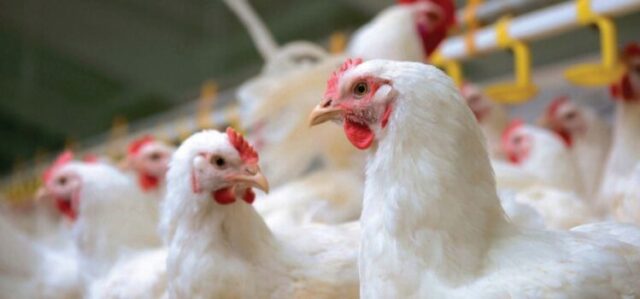
Winter presents unique challenges for poultry farmers, particularly when it comes to nutrition and feed management. As temperatures drop, poultry require more energy to maintain body heat, which directly impacts their dietary needs and overall health. Effective winter feed management ensures not only the survival but also the productivity of the flock during this critical season. This article explores strategies for optimizing poultry nutrition and feed management during winter.
The Importance of Adjusted Nutrition in winter
Cold weather increases the energy requirements of poultry as they expend more calories to stay warm. If these needs are not met, birds may experience weight loss, reduced egg production, and weakened immunity. Providing a balanced diet that meets their nutritional demands is essential to maintain their health and productivity.
Protein, carbohydrates, fats, vitamins, and minerals play critical roles in poultry nutrition. In winter, energy-dense feeds become a priority to help bird’s combat cold stress. However, it’s equally important to ensure that all other nutritional components are balanced to prevent deficiencies and support overall well-being.
Energy-Rich Feed for Cold Weather
One of the key adjustments in winter feed management is increasing the energy content of the diet. Energy-dense feeds such as corn, barley, and wheat are excellent choices for poultry during colder months. These grains provide the calories needed to generate body heat.
Adding fats to the diet is another effective way to boost energy levels. Vegetable oils or animal fats can be mixed into the feed to increase caloric density without significantly increasing the volume of feed. However, it’s important to use fats in moderation to prevent digestive issues.
Protein for Growth and Maintenance
While energy is critical, protein remains an essential component of poultry diets in winter. Protein supports growth, feather production, and overall maintenance of the birds. Feathers play a crucial role in insulation, and adequate protein intake ensures healthy feather development and replacement.
Soybean meal, fish meal, and other protein-rich ingredients should be included in the diet. Balancing amino acids, particularly methionine and lysine, is also important for optimal protein utilization.
Vitamins and Minerals: Essential Micronutrients
Vitamins and minerals are vital for maintaining the immune system and overall health of poultry, especially in winter when birds are more susceptible to stress and disease.
- Vitamin A: Supports vision, skin health, and immune function.
- Vitamin D: Crucial for calcium absorption and bone health, especially important for laying hens.
- Vitamin E: Acts as an antioxidant, supporting immune health.
- Selenium and Zinc: These trace minerals enhance immune responses and overall resilience to cold stress.
Supplements can be added to the feed to ensure that birds receive adequate amounts of these essential nutrients. Electrolyte and vitamin supplements in water are also beneficial, particularly during extreme cold spells.
Importance of Fiber and Digestibility
Fiber plays a dual role in poultry diets during winter. While it aids in digestion, excessive fiber can reduce the overall energy density of the diet. Balancing fiber levels is crucial to ensure that the diet remains energy-efficient while promoting gut health.
Ingredients such as wheat bran or rice husk can be included in small amounts to provide fiber without compromising digestibility. Enzyme additives may also be used to enhance the digestibility of feed ingredients and improve nutrient absorption.
Feed Intake and Feeding Frequency
Poultry tend to consume more feed during winter to meet their increased energy needs. Farmers should monitor feed intake closely and adjust quantities accordingly. Providing fresh, palatable feed at regular intervals encourages consumption and prevents wastage.
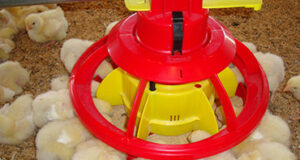
Dividing daily feed into multiple smaller meals can be particularly effective in cold weather. This approach helps maintain consistent energy levels and ensures that all birds have equal access to feed. Automatic feeders can also be used to distribute feed evenly throughout the day.
Access to Clean Water
Water is an often-overlooked but critical aspect of winter nutrition. Birds need access to clean, unfrozen water at all times. Dehydration can lead to reduced feed intake and impaired digestion, further exacerbating cold stress. Using water heaters or insulated drinkers can prevent water from freezing. Regularly checking and refilling waterers is essential to ensure a continuous supply.
Special Considerations for Layers and Broilers
- Layers: Egg production requires significant energy and calcium. In winter, layers should receive a calcium-rich diet to support eggshell formation. Oyster shells or limestone can be added as a calcium supplement.
- Broilers: Rapid growth in broilers demands a diet rich in protein and energy. Adjusting feed formulations to meet these requirements ensures healthy weight gain and optimal feed conversion rates.
Role of Feed Additives
- Probiotics and Prebiotics: Support gut health and improve nutrient absorption.
- Antioxidants: Protect cells from oxidative stress caused by cold temperatures.
- Immune Boosters: Strengthen the birds’ ability to fight off infections.
Managing Feed Storage in Winter
Proper storage of feed is crucial to maintain its quality and nutritional value. Moisture and mold can compromise feed safety, leading to health issues in poultry. Storing feed in a dry, well-ventilated area and using airtight containers can prevent contamination. Regularly inspecting feed for signs of spoilage is also important.
Environmental Factors and Their Impact
The poultry house environment significantly affects feed management. Maintaining an optimal temperature within the poultry house reduces the birds’ energy expenditure on thermoregulation, allowing them to utilize nutrients more effectively.
Eco-friendly heating solutions, proper insulation, and ventilation systems can help maintain a comfortable environment. Reducing drafts and providing adequate bedding also contribute to minimizing cold stress.
Winter nutrition and feed management are critical components of successful poultry farming during colder months. By adjusting diets to meet increased energy demands, providing balanced nutrition, and ensuring access to clean water, farmers can help their flocks thrive despite the challenges of winter.
Incorporating energy-dense feeds, protein-rich ingredients, essential vitamins and minerals, and appropriate feed additives ensures the health, productivity, and well-being of poultry. Coupled with effective environmental management, these strategies pave the way for a productive and profitable winter season for poultry farmers.