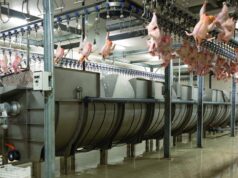
If there’s one thing that everyone in the poultry industry agrees on, it’s this: processing plants are the beating heart of modern poultry production. They transform live birds into safe, packaged, consumer-ready products. But running these plants comes at a cost—a massive demand for energy.
From refrigeration to chilling tanks, boilers to automated lines, lights to air compressors, energy keeps the system alive. Yet, in a world grappling with climate change, rising electricity bills, and consumer demand for sustainable food, the question is no longer just “How do we produce more chicken?” but also “How do we produce it smarter, greener, and with less energy?”
This is where energy-efficient processing plants are rewriting the story of poultry. They’re not just saving costs—they’re shaping the industry’s future.
Why Energy Efficiency Matters in Poultry Processing
1. The Cost Factor
Energy is one of the largest operating expenses in poultry processing, often accounting for 20–30% of plant costs. For companies running plants 24/7, even a 10% reduction in energy use can mean millions saved annually.
2. Consumer Expectations
Today’s consumers are asking tough questions: Was my chicken processed sustainably? Does this company care about the environment? Energy efficiency has become a marketing edge, not just an internal metric.
3. Regulatory Pressure
Governments worldwide are introducing carbon emission caps and renewable energy incentives. Plants that ignore efficiency risk fines, higher taxes, or losing contracts with sustainability-focused buyers.
4. Climate Responsibility
With poultry among the fastest-growing protein sources globally, the industry has a responsibility to reduce its carbon footprint. Energy efficiency is the first, most practical step toward that goal.
Where Does Energy Go in a Poultry Plant?
To understand efficiency, let’s break down where plants actually consume energy:
- Refrigeration & Freezing (40–50%): Chilling water, maintaining cold storage, and freezing products.
- Boilers & Hot Water (20–25%): Used for scalding, cleaning, sterilization, and processing.
- Compressed Air Systems (10–15%): Powering machinery, conveyors, and air knives.
- Lighting & HVAC (5–10%): Keeping plants bright, ventilated, and comfortable.
- Motors & Automation (10–15%): Driving pumps, fans, and equipment.
This breakdown shows why energy efficiency isn’t about one big change—it’s about small savings across many areas that add up to major results.
The Human Side: Stories from the Plant Floor
Energy efficiency isn’t just about charts and numbers—it changes lives.
- Plant managers sleep easier when bills drop and operations run smoothly.
- Workers benefit from cleaner, cooler environments with improved lighting and ventilation.
- Communities around plants see reduced emissions and less strain on local power grids.
Take the example of a mid-sized Indian processing plant. By upgrading its chilling system to a high-efficiency ammonia-based refrigeration system, it cut energy use by 18% and saved ₹40 lakhs annually. The savings went directly into better wages for employees and modern safety equipment.
Key Strategies for Energy-Efficient Poultry Plants
1. Refrigeration Optimization
Since chilling consumes nearly half the energy, improvements here bring the biggest wins:
- Switching to ammonia or CO₂ refrigeration instead of older Freon systems.
- Using variable-speed drives (VSDs) on compressors to adjust cooling to demand.
- Installing thermal storage tanks that produce ice during off-peak hours for use later.
2. Heat Recovery Systems
A lot of energy in processing is wasted as hot air or water. Smart plants are now capturing it:
- Heat from boiler exhausts can preheat incoming water.
- Waste heat from refrigeration can warm office spaces or cleaning water.
3. Efficient Boilers & Steam Systems
Modern boilers consume up to 15–20% less fuel than older units. Add condensate return systems, and plants can recycle water and heat together.
4. Compressed Air Management
Leaks in compressed air systems are notorious energy wasters. Fixing them, along with installing VSD-driven compressors, can cut air system energy use by 30–40%.
5. Lighting & HVAC
- LED lighting reduces electricity consumption by up to 70%.
- Smart HVAC systems with motion sensors and energy zoning avoid unnecessary cooling.
6. Automation & Smart Controls
IoT-enabled monitoring systems allow real-time energy tracking. If a motor or chiller consumes too much energy, alerts go to managers instantly.
7. Renewable Energy Integration
Many plants are now installing rooftop solar panels or buying green power. While upfront costs are high, payback usually comes within 3–5 years.
Global Success Stories
Tyson Foods (USA)
America’s poultry giant has invested millions in solar, wind, and biomass projects. Some plants now generate 60% of their power from renewables.
Venky’s (India)
Venky’s has been upgrading boilers and refrigeration systems, cutting energy costs while marketing their chicken as “sustainably processed.”
Thai Union (Thailand)
A global seafood and poultry processor, it has reduced greenhouse gas emissions by over 30% in the last decade using energy-efficient equipment and heat recovery.
These examples show that energy efficiency is not just for global multinationals—even medium plants in emerging markets can achieve it with the right investments.
Barriers to Energy Efficiency
If energy efficiency is so beneficial, why don’t all plants adopt it quickly?
- High Upfront Costs: Advanced refrigeration or renewable setups require heavy initial investment.
- Lack of Awareness: Many plant owners underestimate how much energy they waste.
- Training Gaps: Workers may not know how to operate or maintain energy-saving systems.
- Inconsistent Power Supply: In countries with erratic electricity, plants often rely on diesel generators—which are costly and polluting.
The Road Ahead: Future of Energy-Efficient Poultry Processing
The future looks exciting, with several game-changing trends:
- AI and Machine Learning: Predicting energy demand and optimizing usage automatically.
- Smart Grids: Plants connected to renewable-based power networks for stable, green supply.
- Blockchain Transparency: Consumers could scan QR codes to see a product’s carbon footprint.
- Circular Economy Practices: Using poultry waste (feathers, fat) for biogas or bioenergy.
Imagine a poultry plant that powers itself using solar energy and poultry waste, while selling extra electricity back to the grid—that’s the kind of future already unfolding.
Why This Matters Beyond the Industry
Energy-efficient poultry plants don’t just help processors—they impact society at large:
- Lower Food Prices: Energy savings reduce production costs, keeping chicken affordable.
- Job Creation: Investments in green tech create new roles in maintenance and monitoring.
- Healthier Planet: Reduced emissions mean cleaner air and water for surrounding communities.
- Consumer Trust: People increasingly prefer brands that align with their values of sustainability.
Conclusion: Turning Kilowatts into Opportunities
At its core, energy efficiency is about more than just numbers on an electricity bill. It’s about responsibility, innovation, and future-proofing the poultry industry.
Every kilowatt saved is not just money saved—it’s fewer greenhouse gases, a lighter burden on the planet, and a stronger reputation with consumers.
The poultry industry is at a crossroads. Those who invest in energy-efficient processing plants today will not only thrive financially but also win the trust of tomorrow’s conscious consumers.
Because in the end, energy efficiency isn’t just good for business—it’s good for people, poultry, and the planet.