Annual Review Meeting on Network Project on Animal Genetic Resources (NWP-AnGR)
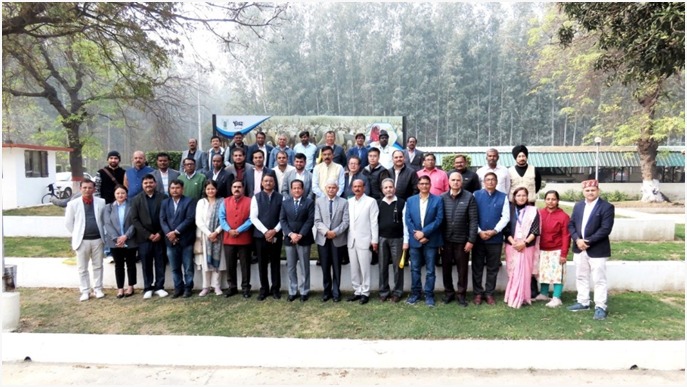
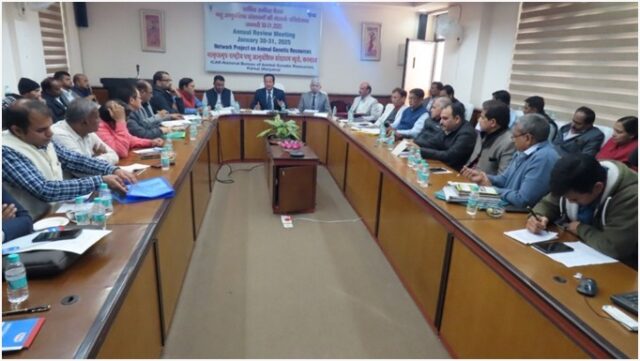
The Annual Review Meeting of the ‘Network Project on Animal Genetic Resources’ (NWP-AnGR) was successfully held on 30th and 31st January 2025 at the ICAR-National Bureau of Animal Genetic Resources (ICAR-NBAGR), Karnal, Haryana. The meeting served as a crucial platform to evaluate the progress of the 33 Network Centers operating under NWP-AnGR across 26 States and Union Territories (UTs) during the 2023-24 period. The network, which operates under the Animal Science Division of ICAR, represents the largest collaborative effort in the country dedicated to the characterization, conservation, and documentation of indigenous Animal Genetic Resources (AnGR). These centers function through partnerships with ICAR institutes, State Animal Husbandry Departments, State Agricultural and Veterinary Universities, and Non-Governmental Organizations (NGOs), ensuring a diverse and multi-institutional approach to preserving India’s rich genetic diversity in livestock and poultry.
Keynote Addresses and Expert Discussions
The meeting was inaugurated by Dr. Raghavendra Bhatta, Deputy Director General (Animal Science), ICAR, who emphasized the critical importance of documenting Indigenous AnGR and registering potential breeds. He stated that a systematic and time-bound approach is required to reduce the non-descript livestock population in India, urging the NWP Centers to take a proactive role in achieving this goal. Dr. Bhatta commended ICAR-NBAGR for its visionary initiative in AnGR documentation, which aligns with the mission of achieving zero non-descript AnGR in the country. He also highlighted the importance of breed awareness, particularly in the context of the upcoming Livestock Census 2024, which will play a pivotal role in shaping national livestock conservation policies.
Dr. G. K. Gaur, Assistant Director General (Animal Production & Breeding), ICAR, echoed similar sentiments, stressing the urgent need for the systematic registration of indigenous livestock and poultry breeds. He emphasized that every identified indigenous breed must be properly characterized and documented to ensure their recognition and conservation, ultimately benefiting farmers, breeders, and the overall livestock industry.
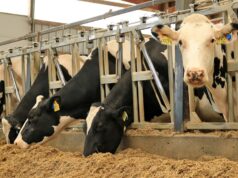
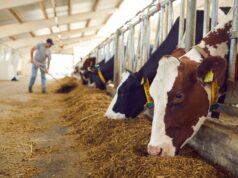
Following their addresses, Dr. Bhatta and Dr. Gaur visited the National Bovine Genome Centre—Indigenous Breeds (NBGC-IB), which is actively engaged in a genomic selection program for indigenous dairy breeds. This initiative, undertaken in collaboration with the National Dairy Development Board (NDDB), aims to enhance genetic improvement and sustainable breeding strategies for Indian cattle breeds, thereby boosting their productivity and long-term viability.
Comprehensive Review of Network Centers’ Progress
The scientific sessions of the meeting involved an in-depth review of the progress made by all participating centers. Dr. B. P. Mishra, Director, ICAR-NBAGR & Project Coordinator (NWP-AnGR), presented a detailed briefing on the characterization activities undertaken across the network. He highlighted that 53 potential indigenous populations of livestock, poultry, and dogs were taken up for scientific characterization by the participating centers, with 15 populations successfully documented within the review period.
During the evaluation sessions, the Deputy Director General (Animal Science) and Assistant Director General (Animal Production & Breeding) provided constructive feedback and valuable suggestions to enhance the efficiency and effectiveness of the project. They stressed the need for enhanced data accuracy, improved collaboration among centers, and a more strategic approach to breed conservation efforts.
Dr. A. K. Mishra, In-charge NWP-AnGR, and Dr. S. K. Niranjan, In-charge PME Cell, played a crucial role in coordinating the meeting, ensuring smooth deliberations and facilitating knowledge exchange among participants.
Engagement and Participation
A total of 44 experts, researchers, and principal investigators representing different network centers, academic institutions, and state agencies actively participated in the review meeting. Each center representative presented their progress reports, discussing the achievements, challenges, and future action plans for their respective states.
The interactive sessions provided an opportunity for participants to share insights, discuss best practices, and explore innovative approaches for the sustainable conservation of India’s indigenous livestock genetic resources. The discussions also focused on:
- Strengthening breed documentation methodologies through advanced molecular and genomic tools.
- Enhancing farmer participation in breed conservation initiatives through training and extension programs.
- Developing robust policy recommendations to support the long-term viability of indigenous breeds.
- Fostering collaborations between research institutions, government bodies, and private stakeholders to scale up conservation efforts.
Conclusion and Way Forward
The Annual Review Meeting of NWP-AnGR concluded with a strong commitment to accelerating breed conservation efforts across the country. The recommendations derived from the meeting will be incorporated into future research strategies and policy frameworks, ensuring a coordinated and impactful approach to safeguarding India’s animal genetic heritage.
Looking ahead, ICAR-NBAGR and the participating network centers will continue to:
- Expand AnGR documentation efforts to achieve comprehensive coverage of all indigenous breeds.
- Leverage genomic selection technologies for breed improvement and enhanced productivity.
- Strengthen farmer-led conservation models to integrate local communities into breed preservation initiatives.
- Collaborate with international organizations to align Indian livestock conservation efforts with global best practices.
With dedicated efforts, scientific advancements, and strong institutional support, the Network Project on Animal Genetic Resources is poised to make significant contributions to India’s livestock sector, ensuring the preservation, improvement, and sustainable utilization of its rich animal genetic diversity for generations to come.