Protecting Your Herd: A Comprehensive Guide to Disease Prevention in Cattle Farms
As a cattle farmer, you understand the importance of maintaining a healthy and productive herd. Disease outbreaks can have devastating consequences, including reduced milk production, decreased fertility, and even death. In this article, we will delve into the world of disease prevention in cattle farms, exploring the most effective strategies and best practices to keep your herd thriving.
Understanding the Risks
Cattle are susceptible to a wide range of diseases, including viral, bacterial, and parasitic infections. Some of the most common diseases affecting cattle include:
- Bovine Viral Diarrhea (BVD): A highly contagious viral disease that can cause diarrhea, fever, and even death.
- Infectious Bovine Keratoconjunctivitis (IBK): A bacterial disease that causes eye infections and can lead to blindness.
- Parasitic Infestations: Internal parasites such as ticks, lice, and worms can weaken the immune system and reduce productivity.
- Respiratory Diseases: Diseases such as pneumonia and pleuritis can cause significant morbidity and mortality in cattle.
- Reproductive Diseases: Diseases such as brucellosis and leptospirosis can cause reproductive problems and reduce fertility.
Vaccination: The First Line of Defense
Vaccination is one of the most effective ways to prevent disease in cattle. By stimulating the immune system, vaccines help to build resistance against specific diseases. Some of the most important vaccines for cattle include:
- Clostridial Vaccines: Protect against diseases such as tetanus and blackleg.
- Viral Vaccines: Protect against diseases such as BVD and IBR.
- Risk-Based Vaccines: Protect against diseases such as brucellosis and leptospirosis.
- Core Vaccines: Protect against diseases such as rabies and anthrax.
Types of Vaccines
There are several types of vaccines available for cattle, including:
- Modified Live Vaccines (MLV): These vaccines contain a weakened form of the virus or bacteria.
- Killed Vaccines: These vaccines contain inactivated virus or bacteria.
- Subunit Vaccines: These vaccines contain only specific components of the virus or bacteria.
Vaccination Schedules
Vaccination schedules will vary depending on factors such as the age and health status of the animal, as well as the specific disease risks in the area. Some general guidelines include:
- Calves: Vaccinate against diseases such as BVD and IBR at 2-3 months of age.
- Heifers: Vaccinate against diseases such as brucellosis and leptospirosis at 6-12 months of age.
- Adult Cattle: Vaccinate against diseases such as rabies and anthrax annually.
Biosecurity: Keeping Disease at Bay
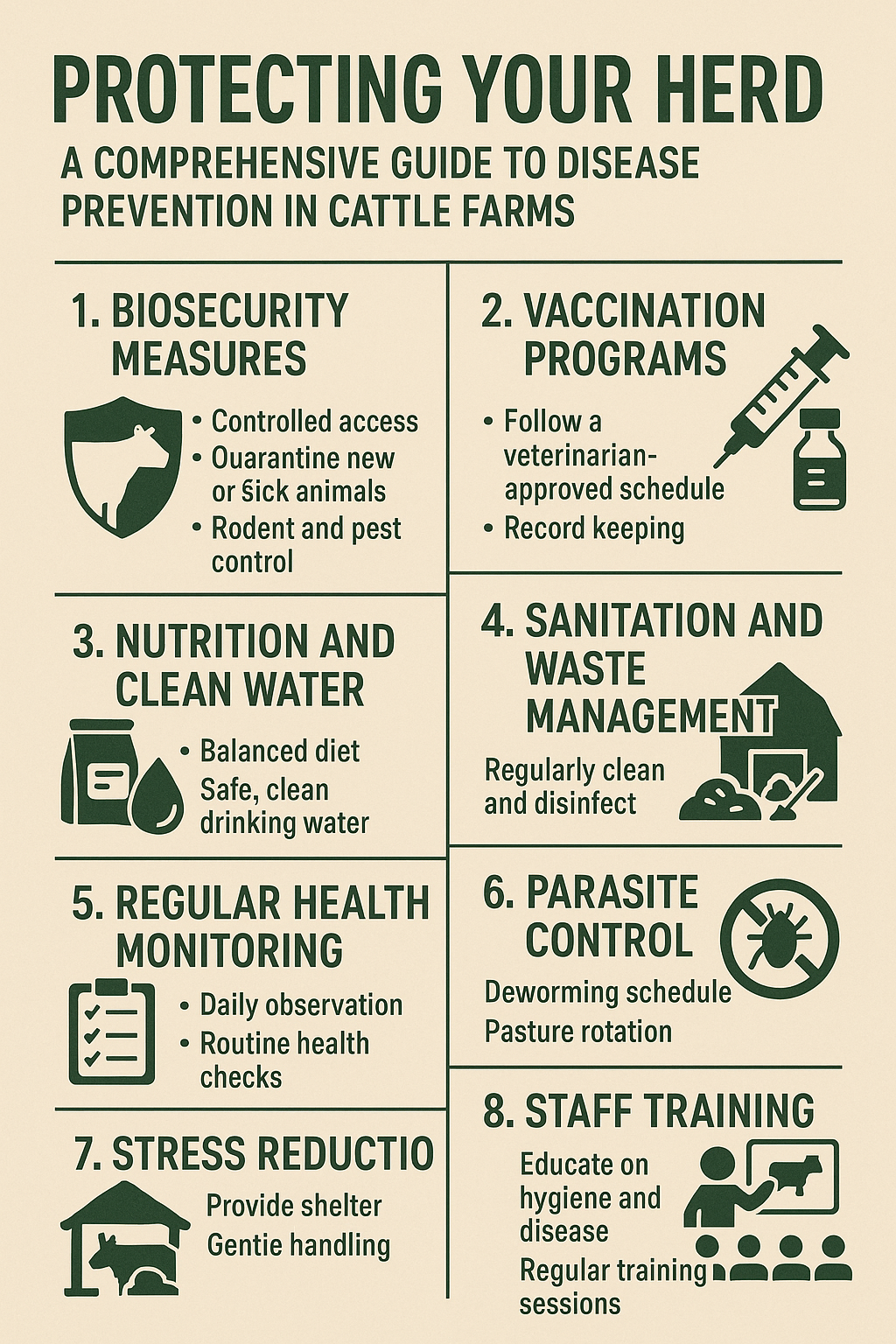
Biosecurity measures are essential to preventing disease outbreaks in cattle farms. Some of the most effective biosecurity measures include:
- Isolation and Quarantine: Isolate new animals for at least 30 days before introducing them to the herd.
- Cleanliness and Sanitation: Regularly clean and disinfect equipment, facilities, and vehicles.
- Manure Management: Implement proper manure management practices to prevent the spread of diseases.
- Pest Control: Control pests such as rodents, flies, and ticks, which can transmit diseases.
- Visitor Control: Restrict visitor access to the farm and ensure they follow biosecurity protocols.
Nutrition and Feeding: Building a Strong Immune System
A well-balanced diet is essential to maintaining a strong immune system in cattle. Some of the most important nutritional considerations include:
- High-Quality Feed: Ensure feed is free from contaminants and toxins.
- Adequate Water Supply: Provide clean and fresh water to the animals.
- Minimize Stress: Avoid sudden changes in feed or environment, which can stress the animals and make them more susceptible to disease.
- Provide Essential Nutrients: Ensure the diet includes essential nutrients such as vitamins, minerals, and protein.
Health Monitoring: Catching Disease Early
Regular health checks are essential to detecting disease early and preventing outbreaks. Some of the most important health monitoring considerations include:
- Regular Health Checks: Conduct regular health checks on the animals to detect any signs of illness or disease.
- Monitor for Disease Symptoms: Train farm staff to recognize and report any disease symptoms.
- Use Diagnostic Tests: Use diagnostic tests such as blood tests and fecal exams to identify diseases.
- Maintain Accurate Records: Keep accurate records of animal health, vaccinations, and treatments.
Parasite Control: Managing Internal and External Parasites
Parasites can weaken the immune system and reduce productivity in cattle. Some of the most effective parasite control measures include:
- Regular Deworming: Regularly deworm animals to control internal parasites.
- Pour-On Products: Use pour-on products to control external parasites such as ticks and lice.
- Integrated Pest Management: Implement an integrated pest management (IPM) program to control parasites.
- Monitor for Parasite Infestations: Regularly monitor for parasite infestations and take prompt action to control them.
Conclusion
Disease prevention in cattle farms requires a multi-faceted approach that includes vaccination, biosecurity, nutrition, health monitoring, and parasite control. By implementing these strategies and best practices, you can help to protect your herd from disease and maintain a healthy and productive farm.

Shivali Khandelwal
PhD Scholar Division of Biological Standardization, ICAR- Indian Veterinary Research Institute, Izatnagar, Bareilly, Uttar Pradesh, India)
(Email: shivalikhandelwal11@gmail.com)